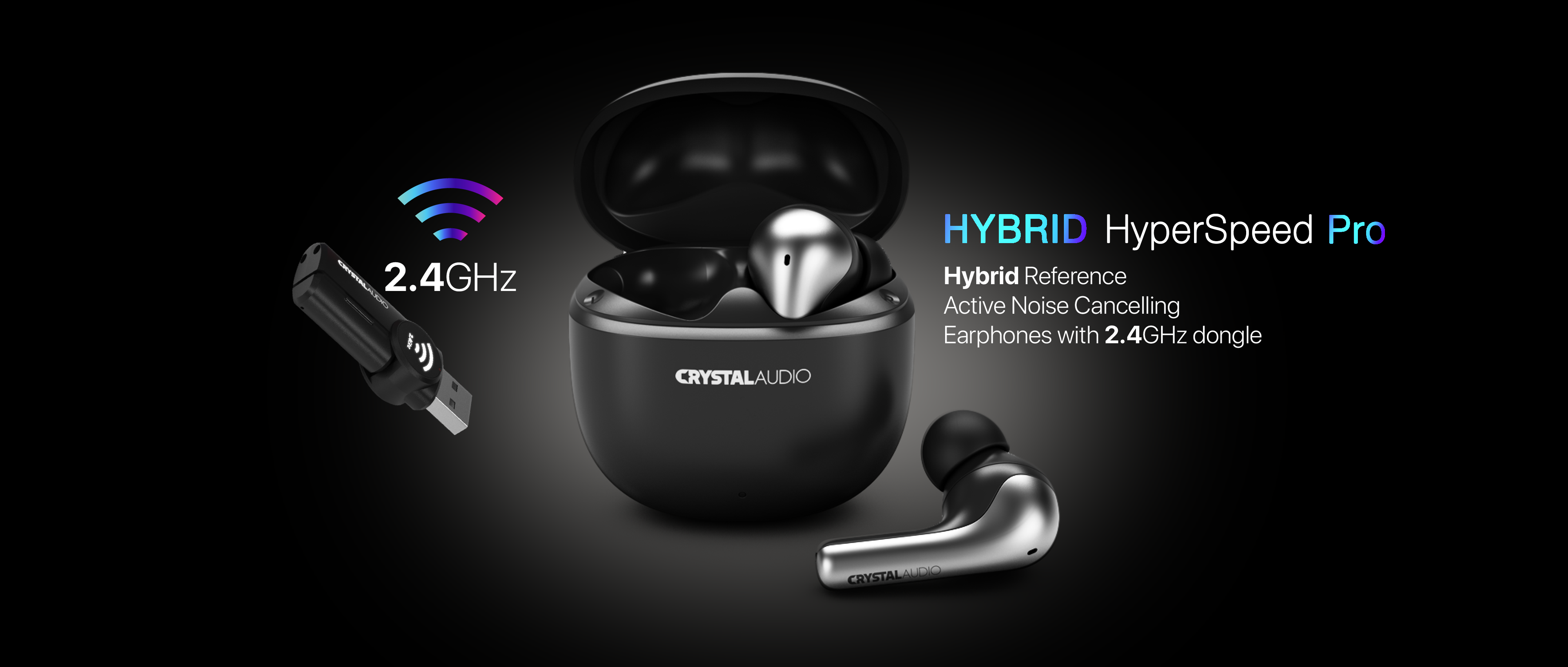
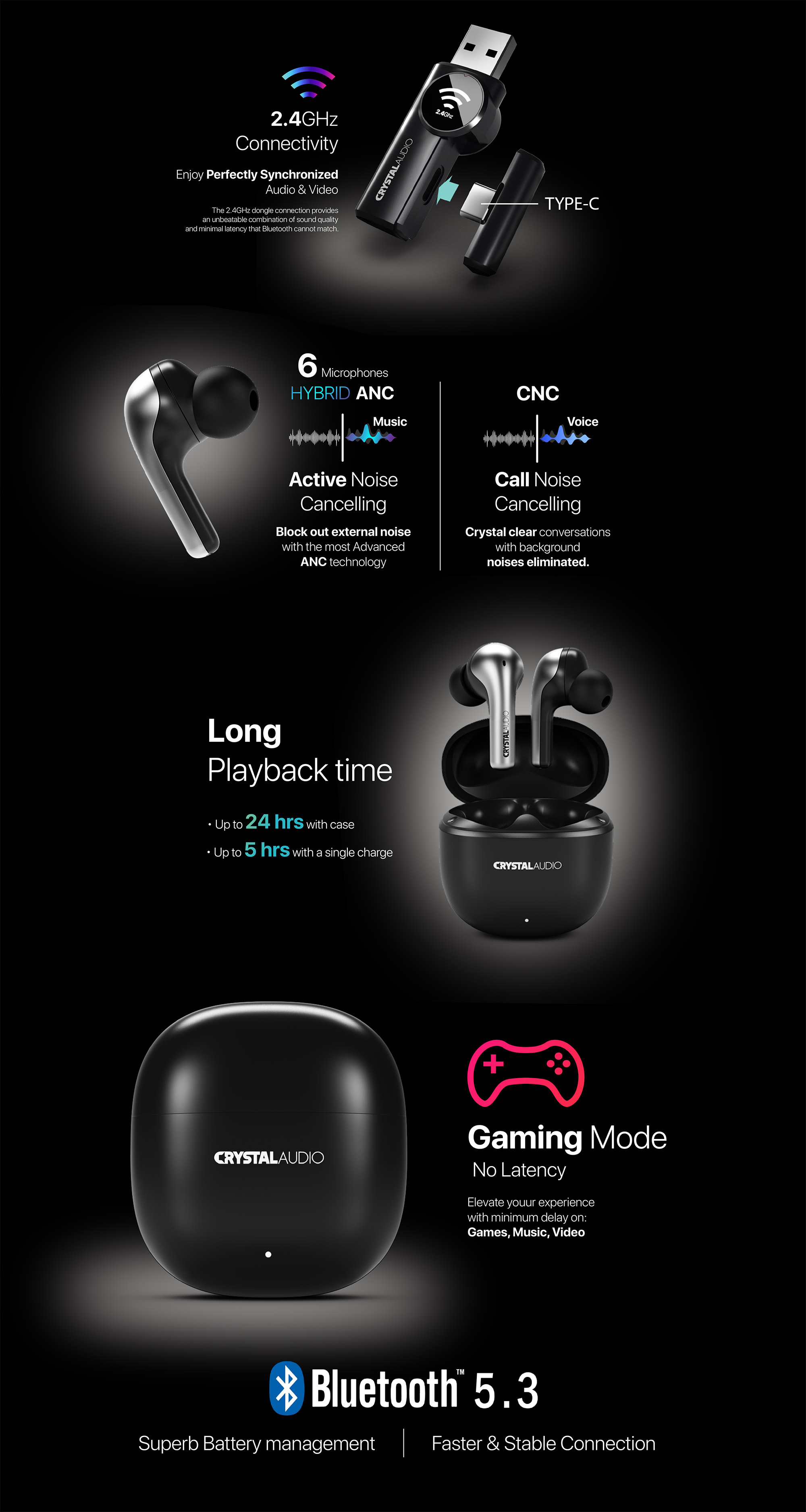
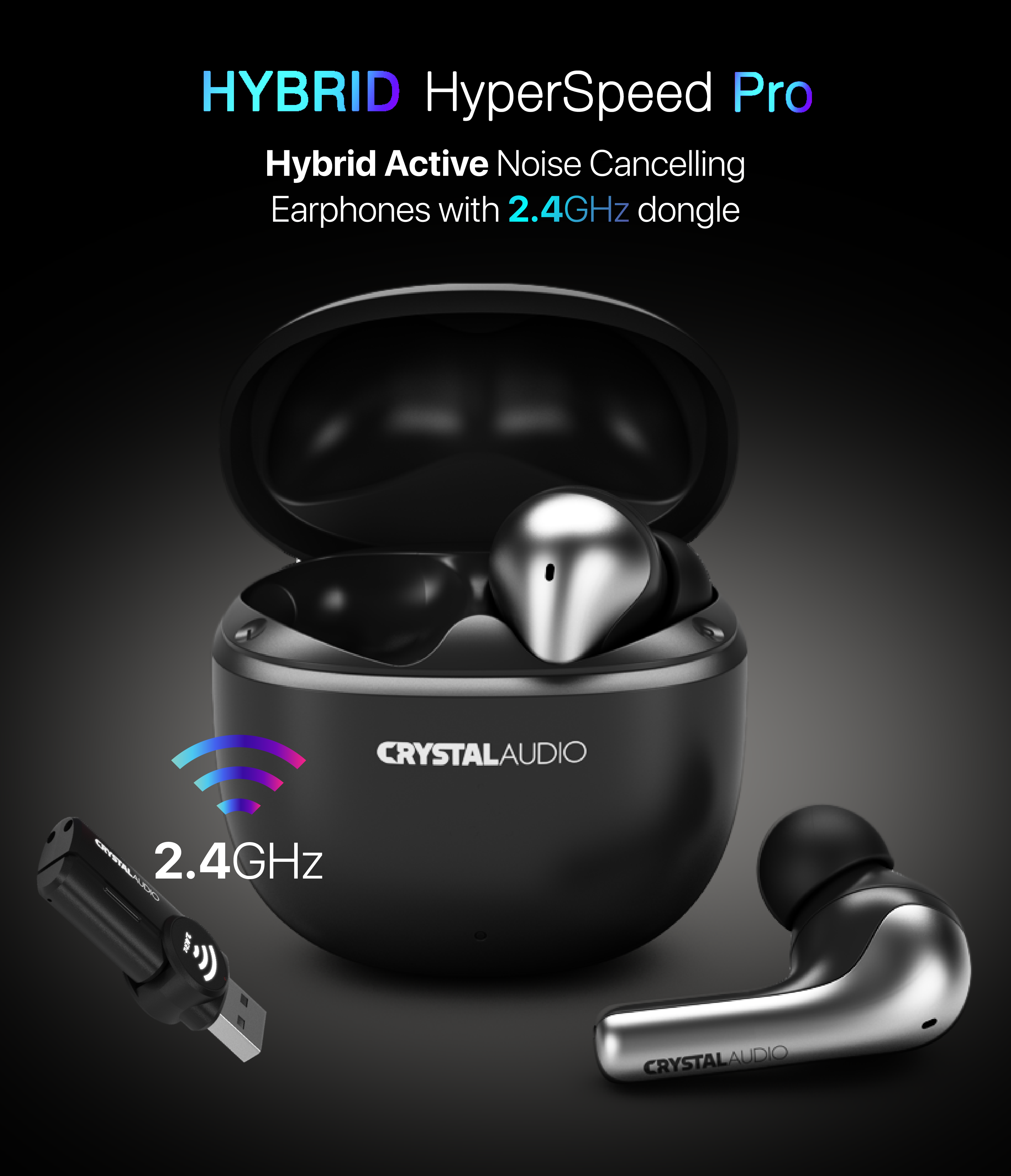

2.4GHz Connectivity
Enjoy Perfectly Synchronized Audio & Video
The 2.4GHz dongle connection provides an unbeatable combination of sound quality and minimal latency that Bluetooth cannot match.
HYBRID Active Noise Cancelling
Block out external noise with the most Advanced ANC technology
Hybrid ANC technology uses 6 microphones that monitor both internal and external sound and optimize the noise reduction up to 35dB.
Low Latency
Elevate your video, gaming and movie-watching experience with minimal delay
Synchronized audio and visuals provide a more immersive wireless experience for music, videos and games. Low Latency eliminates lip-sync errors.
Bluetooth 5.3
Enjoy longer playback time and stable connection
Call Noise Cancelling
Delivers natural, clear, consistent voice quality even in noisy or windy environments
The Call Noise Cancelling function focuses on human voices and filters wind or unwanted sounds. As a result you should not have to raise your voice to be heard when calling.
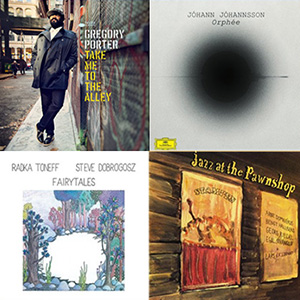
Spatial Impression - Realistic Soundstage
The performance appears to take place in an appropriate spatial environment
Experience Homogeneity of Spatial Sound Reverberance, Acoustic balance, Apparent room size, Depth perspective, Sound color of Reverberation.
Examples of common descriptive terms: Reverberate /dry, Large/small room, Direct/indirect.
Enjoy and share our SPATIAL IMPRESSION PLAYLIST* on TIDAL and SPOTIFY: https://www.crystalaudio.com/eur/playlists#spatial-impression
*Test your Headphones and Speakers with the Best Tracks, selected by Crystal Audio engineers, and based on ITU-R BS.1284-2 (01/2019) International Standard.
Deep & Powerful Bass
Enjoy impressively deep Bass that brings out all low-end frequencies from movie sound effects to lively music tracks
Bass: The four low octaves, with their centre frequencies below 250 Hz, are responsible for depth, weight, and physical presence.
A. SUB-BASS
• Center · Range: 31 Hz · 20–40 Hz
• Character: Weighty sound felt more than heard
• Common flaws in cheaper systems (avoided by WiSound): Rumble
• Found in: Kick drum, bass, organ
B. LOW BASS
• Center · Range: 63 Hz · 40–80 Hz
• Character: Depth, thud, fullness
• Common flaws in cheaper systems (avoided by WiSound): Boomy, loss of definition
• Found in: Kick drum, bass, piano
C. MID-BASS
• Center · Range: 125 Hz · 80–160 Hz
• Character: Body, weight
• Common flaws in cheaper systems (avoided by WiSound): Chesty, plummy, boomy, unclear
• Found in: Punchy bass, vocal fullness, toms attack, guitar & snare fullness, warm piano & horns
D. UPPER BASS
• Center · Range: 250 Hz · 160–320 Hz
• Character: Warmth
• Common flaws in cheaper systems (avoided by WiSound): Boxy, hollow, muddy
• Found in: Vocals, electric guitar, snare fullness; many acoustic instruments, brass, woodwinds, violins
Hear and share our BASS playlist on TIDAL and Spotify.
*Test your Headphones and Speakers with the Best Tracks, selected by Crystal Audio engineers, and based on ITU-R BS.1284-2 (01/2019) International Standard.

Natural & Pleasant Vocals
Hear midrange frequencies rich in information, delivering even the finest sonic details — for a perfectly balanced, natural listening experience.
Midrange / Vocals: The three midrange octaves, with centre frequencies between 250 Hz and 4 kHz, define the clarity and expressiveness of vocals and most musical instruments.
A. LOW-MID
• Center · Range: 500 Hz · 320–640 Hz
• Character: Projection, presence, texture and balance
• Common flaws in cheaper systems (avoided by WiSound): Tubelike, hollow, nasal
• Found in: Texture and balance, brass character on vocals, bassline clarity
B. MID-MIDRANGE
• Center · Range: 1 kHz · 640 Hz – 1.25 kHz
• Character: Focused projection, dynamic projection, attack
• Common flaws in cheaper systems (avoided by WiSound): Cuplike, honky, nasal, "phone effect"
• Found in: Snare attack, guitar and percussion, "phone effect" on vocals
C. UPPER-MID
• Center · Range: 2 kHz · 1.25–2.5 kHz
• Character: Crispness, liveliness, musicality, naturalness
• Common flaws in cheaper systems (avoided by WiSound): Nasal, hard, gritty
• Found in: Vocal articulation, guitar liveliness
Hear and share our MIDRANGE playlist on TIDAL and Spotify.
*Test your Headphones and Speakers with the Best Tracks, selected by Crystal Audio engineers, and based on ITU-R BS.1284-2 (01/2019) International Standard.
High Capacity Battery
Forget frequent charging
The high capacity of the batteries included in each earpiece and the case, ensures that you will not run out of battery mid-day

Crystal Clear Treble
Experience clear, crisp high frequencies without distortion — detail, brilliance, and a sense of air.
Treble: The three high octaves, with centre frequencies above 4 kHz, are responsible for clarity, brilliance, and the sense of air in sound.
A. LOW-TREBLE
- Center · Range: 4 kHz · 2.5–5 kHz
- Character: Clarity, presence, edge, detail
- Common flaws in cheaper systems (avoided by WiSound): Hardness, wiry, harshness
- Found in: Vocal clarity and detail, toms attack, snare crispness, violin and piccolo harmonics, solo instrument clarity
B. MID-TREBLE
- Center · Range: 8 kHz · 5–10 kHz
- Character: Crystal, metallic tone, brilliance, detail, air
- Common flaws in cheaper systems (avoided by WiSound): Sharp, metallic, sibilant
- Found in: Cymbals, synths, metallic percussion, steel-string instruments, electric guitar air/sizzle
C. UPPER-TREBLE
- Center · Range: 16 kHz · 10–20 kHz
- Character: Air, openness, light, delicate
- Common flaws in cheaper systems (avoided by WiSound): Fizzy, gritty, hiss
- Found in: Hi-hat & cymbals; adds ambience to all sounds
Hear and share our TREBLE playlist on TIDAL and Spotify.
*Test your Headphones and Speakers with the Best Tracks, selected by Crystal Audio engineers, and based on ITU-R BS.1284-2 (01/2019) International Standard.
Premium Sound
Experience great audio, superb dynamic range, exceptional sound accuracy
Enjoy your music, videos, and games! Test your headphones and speakers on every aspect of sound performance with the best tracks for: BASS, MIDRANGE, TREBLE, SPATIAL IMPRESSION, IMAGING, 3-Directional Soundstage Width, Depth, Height & Focus, SOUND BALANCE & Dynamics, TRANSPARENCY, Rhythm & Timing, TIMBRE, Attack & Decay.
Find and share our 9 PLAYLISTS on TIDAL and Spotify.
*Selected by Crystal Audio engineers, based on ITU-R BS.1284-2 (01/2019) International Standard for Sound Performance.
*Selected by Crystal Audio engineers, based on ITU-R BS.1284-2 (01/2019) International Standard for Sound Performance.
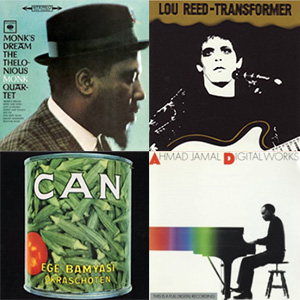
Transparency
The subjective impression that all details of the performance can be clearly perceived.
Experience Sound source definition, Time definition, Intelligibility.
Examples of common descriptive terms: Clear / Muddy.
Hear and share our TRANSPARENCY playlist on TIDAL and Spotify: crystalaudio.com/eur/playlists#transparency
*Test your Headphones and Speakers with the Best Tracks, selected by Crystal Audio engineers, and based on ITU-R BS.1284-2 (01/2019) International Standard.
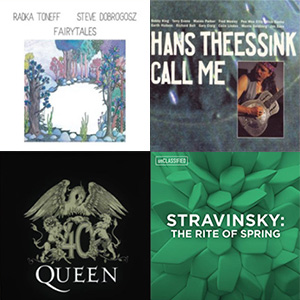
Timbre
The subjective impression of the accurate portrayal of the different sound characteristics of the sound source(s).
Experience Sound Color, Sound Attack.
Examples of common descriptive terms: Boomy / Sharp, Dark / Light, Warm / Cold.
Hear and share our TIMBRE playlist on TIDAL and Spotify: crystalaudio.com/eur/playlists#timbre
*Test your Headphones and Speakers with the Best Tracks, selected by Crystal Audio engineers, and based on ITU-R BS.1284-2 (01/2019) International Standard.
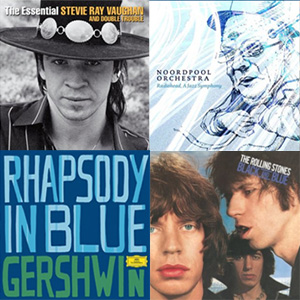
Sound Balance
The individual Sound Sources appear to be properly balanced in the general Sound Image.
Experience Loudness Balance, Dynamic Range.
Examples of common descriptive terms: Sound source too loud / too weak; Sound natural / compressed.
Hear and share our SOUND BALANCE playlist on TIDAL and Spotify: crystalaudio.com/eur/playlists#sound-balance
*Test your Headphones and Speakers with the Best Tracks, selected by Crystal Audio engineers, and based on ITU-R BS.1284-2 (01/2019) International Standard.
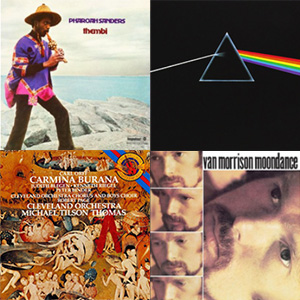
Stereo Impression - Imaging
The Sound Image appears to have the correct and appropriate Direction Distribution of the Sound Source.
Experience Directional balance, Stability, Sound Image width, Location accuracy.
Examples of common descriptive terms: Wide / Narrow , Precise / Imprecise
Enjoy and share our STEREO IMPRESSION PLAYLIST* on TIDAL and SPOTIFY: https://www.crystalaudio.com/eur/playlists#imaging
*Test your Headphones and Speakers with the Best Tracks, selected by Crystal Audio engineers, and based on ITU-R BS.1284-2 (01/2019) International Standard.
Technical Specifications
- Fit In Ear
- IPX Rating IPX4
- Range (m) 10
- Frequency Response (Ηz-KHz) 20Hz-20KHz
- What's in the box (1) Product (2) User Manual (3) USB Type-C Cable
Audio Technology
- Bluetooth Version 5.3
- Active Noise Cancelling
- ANC dB Reduction 35
- Call/Enviromental Noise Cancelling
- Low Latency (ms) 26
Dimensions & Weights
- Case Height (mm) 55
- Case Width (mm) 53
- Case Depth (mm) 32
Battery
- Piece Battery (mAh) 40
- Case Battery (mAh) 300
- Piece Charging Time (h) 1.5
- Case Charging Time (h) 1.5
- Charger Type USB Type-C
- Playback Time (h) 7
- Playback Time with Charging Case (h) 24
- Playback Time with ANC (h) 5.5
- Playback Time with ANC incl. Case (h) 20
- Talk Time (h) 7
- Talk Time incl.Case (h) 24